
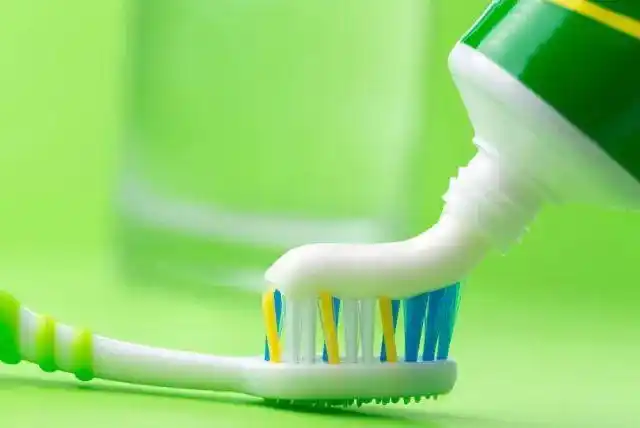
Toothpaste base manufacturing

Base Systems — RDA-Controlled & Rheology-Stable

Precision Abrasives & Binding Agents for Oral Care Manufacturing

The mechanical core of your formulation. We engineer toothpaste bases with strictly controlled Relative Dentin Abrasivity (RDA) and highly stable rheology modifiers, ensuring perfect stain removal, ribbon stand-up, and a flawless 36-month shelf life.

Assurance

  • ISO 11609 RDA Compliance
  • Microplastic-Free Guarantee
  • USP / EP Grade Purity

Abrasive Systems

Dental-Grade Polishing & Abrasive Compounds

Cleaning power is a function of particle size and hardness, not of how much abrasive you add. Every cut below is specified by micron distribution and verified RDA before it reaches a compounding vessel. Paired with our therapeutic active agents.

Hydrated Silica

SiO2

The industry standard for transparent gels and premium opaque pastes, and the most tunable abrasive available. We hold it in three functional cuts so the cleaning level can be set without redesigning the rest of the base.

High-Cleaning (Whitening) RDA 100–150
Standard Cleaning RDA 70–90
Thickening Silica Viscosity only

How the cuts are usedHigh-cleaning is reserved for extrinsic stain removal claims. Standard suits daily anti-caries formulas. Thickening silica adjusts viscosity without adding abrasive weight, so texture can be corrected without pushing RDA up.

Precipitated Calcium Carbonate

Chalk / CaCO3

The traditional, cost-effective base for opaque pastes and still the right answer for a lot of value-tier and family SKUs. Its alkalinity is the property that matters most to formulation.

Compatibility ruleHighly alkaline, which makes it the ideal stabilising base for Sodium Monofluorophosphate (MFP) — but it is incompatible with Sodium Fluoride. Free calcium binds the NaF fluoride ion and deactivates it, so a chalk base quietly destroys an NaF claim.

Sodium Bicarbonate

Baking Soda

An ultra-low RDA abrasive that earns its place for reasons beyond cleaning. It removes surface stain gently, buffers plaque acid, and carries strong natural-market appeal without needing a botanical story attached to it.

Typical RDA Under 10

Best forNatural and sensitive-positioned pastes, and as a secondary abrasive to soften the feel of a higher-RDA system.

Activated Bamboo Charcoal

Micro-milled C powder

Used for natural detoxifying and whitening claims. The entire quality difference in this material comes down to how finely it is milled — under-milled charcoal is what gives the category its reputation for grit and scratched enamel.

Milled to Below 15 microns

Crucial specWe mill below 15 microns to eliminate the gritty mouthfeel and enamel scratching seen in low-tier manufacturing. Particle size is verified by laser diffraction rather than taken from the supplier’s grade name.

Binders & Rheology

Binders, Thickeners, and Formula Stabilization

Without the right binder, water and solid abrasive separate in the tube. This is the network that prevents weeping, holds the ribbon on the brush, and decides whether the paste still extrudes cleanly at month 30.

Cellulose Gum

CMC / Carboxymethyl Cellulose

The most versatile and widely used thickener in the category. It produces a smooth, glossy ribbon that stands up cleanly on the brush without slumping, which is the texture most consumers read as “premium”.

Xanthan Gum

Natural polysaccharide

Often paired with CMC rather than replacing it. Xanthan contributes pronounced shear-thinning: the paste flows easily under the squeeze of the tube but holds its shape once the force is removed, which is exactly what keeps it on the bristles. It also improves flavour release.

Carrageenan

Seaweed-derived

A natural binder essential for high-end organic and clean-label formulations that need an alternative to synthetic polymers. It is the usual answer when a brief rules out CMC on positioning grounds but still requires a stable, non-weeping base.

Carbomer

Synthetic polymer

A high-performance synthetic polymer used where absolute structural rigidity is required: clear gel toothpastes, and advanced peroxide-whitening formulas whose low-water or anhydrous bases leave little margin for a weak binder network.

From the Plant

Mastering High-Shear Compounding & Phase Stability

Most texture complaints trace back to how the powder was introduced, not to which powder was chosen. Process support comes from our custom formulation team.

The Technical Challenge

Binders such as CMC hydrate on contact with water. If the powder meets water before it has been dispersed into the humectant phase, the outer layer of each particle gels instantly and seals the dry core inside — forming the translucent lumps known as fish eyes. Once formed they will not shear out, and they survive into the finished tube as visible defects and weak spots in the binder network.

Failure mode: fish eyes & weak binder network

Our Solution on the Floor

We use 316L stainless steel vacuum homogenizers and draw the CMC and silica powders directly into the liquid phase under deep vacuum with high-shear agitation. Introducing powder below the liquid surface under vacuum removes the air that would otherwise be trapped, so the process eliminates both aeration and powder agglomeration in a single step — producing a smooth, bubble-free paste rather than one that has to be de-aerated afterwards.

316L vacuum homogenizer, subsurface powder draw

“The secret to a premium toothpaste isn’t just the active ingredients — it’s the rheology. If your binder network collapses at 40°C during shipping, the product is ruined. We subject every base formula to rigorous freeze-thaw and accelerated thermal stress testing before finalizing the humectant-to-binder ratio.”

— Lead Process Engineer