
MOQ: 10,000 PCS per SKU | Tiered Pricing from 20,000 PCS | In Stock & Flexible Wholesale

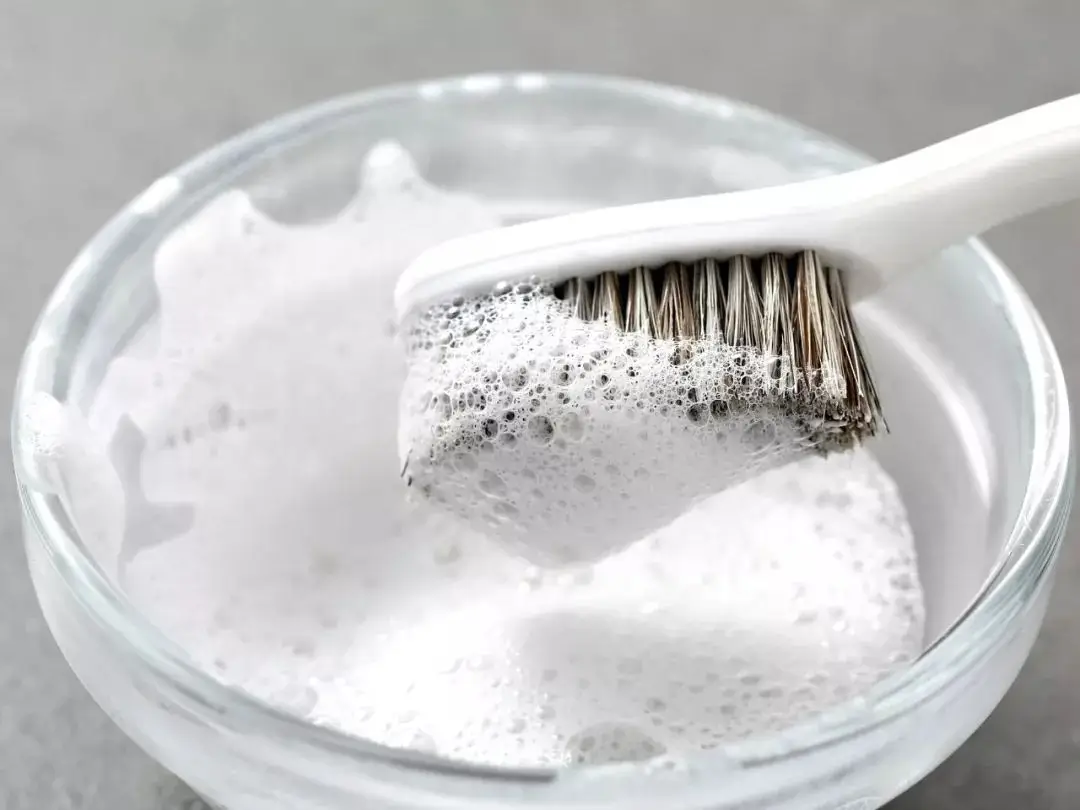
How do you manufacture hydroxyapatite toothpaste that actually performs? What ingredients and quality controls separate a stable formula from one that falls short? And how do you choose the right process and partner for commercial success?
These questions come up constantly for brand owners and formulators looking at hydroxyapatite toothpaste. Demand keeps rising for fluoride-free options that support enamel and ease sensitivity. Getting the manufacturing right is what turns interest into a reliable product.
Hydroxyapatite is a calcium phosphate mineral that closely matches the structure of natural tooth enamel. In toothpaste it helps support early remineralization and can settle into open dentinal tubules to reduce sensitivity. Nano-hydroxyapatite particles, usually under 100 nanometers, interact more closely with the tooth surface than larger micro forms.
Particle shape counts. Rod-shaped, uncoated particles align with current European safety reviews. Needle-shaped ones do not. Clinical work often centers on 5–10% levels, though the exact amount depends on the grade and the full formula.
Key Ingredients in Nano Hydroxyapatite Toothpaste
A good formula starts with cosmetic-grade hydroxyapatite. Check purity, the calcium-to-phosphate ratio near 1.67, particle size distribution, and heavy-metal limits. Solid documentation from the supplier is essential. Explore toothpaste ingredients and active compounds for additional information about ingredient sourcing and specifications.
Hydroxyapatite
The primary active ingredient. Particle purity, calcium-to-phosphate ratio, size distribution, and heavy-metal limits matter.
Humectants and Abrasives
Sorbitol, glycerin, and hydrated silica help maintain moisture, texture, and controlled cleaning performance.
Binders and Surfactants
Cellulose gum, xanthan gum, and mild surfactants support viscosity, stability, and the desired consumer experience.
Supporting Ingredients
Xylitol, flavor systems, potassium nitrate, water, and pH adjusters complete the formulation.
Humectants such as sorbitol and glycerin keep the paste moist and smooth. Hydrated silica is the most common abrasive because it cleans effectively while letting you control overall abrasivity. Lower RDA values work better for sensitivity-focused products.
Binders like cellulose gum or xanthan gum set the viscosity so the paste stays consistent. Many brands now prefer mild surfactants over traditional SLS to reduce irritation risk. Xylitol adds sweetness and supports oral care goals. Flavor systems and optional extras such as potassium nitrate complete the mix.
Water quality and pH control hold everything together. The ingredients need to work as a system, not as a list of isolated actives.
Formulation and Process Realities
Position the product first. Fluoride-free? SLS-free? Sensitivity relief or daily enamel support? Those choices guide every decision that follows.
Nano particles need careful dispersion. Order of addition, mixing shear, and temperature all affect the final texture and shelf life. Changing the hydroxyapatite level often shifts viscosity more than expected, so pilot batches save time and money later.
Keep claims grounded. The mineral supports remineralization of early weak spots and helps with sensitivity. It does not rebuild lost enamel or fix cavities. Matching the formula to real evidence and local rules from the start prevents problems at launch.
Learn more about custom toothpaste formulation and R&D when evaluating formulation development and ingredient compatibility.
The Manufacturing Process Step by Step
Start with incoming inspection and precise weighing of every raw material. Prepare the liquid phase with water, humectants, and binders. Add the powders, including the nano hydroxyapatite, under controlled conditions.
01. Raw Materials
Incoming inspection and precise weighing of every raw material.
02. Preparation
Liquid-phase preparation with water, humectants, and binders, followed by powder addition.
03. Mixing
Controlled vacuum mixing, homogenization, and de-aeration.
04. Inspection
In-process checks for viscosity, pH, and appearance.
05. Packaging
Filling, sealing, coding, and packaging.
Vacuum mixing and homogenization are critical. They remove air and keep the particles evenly distributed. De-aeration follows, then in-process checks for viscosity, pH, and appearance. Filling, sealing, coding, and packaging come last.
Experienced facilities validate the full process so lab formulas scale cleanly. Equipment that handles vacuum and consistent shear makes a clear difference in batch-to-batch reliability. Review the available toothpaste manufacturing capabilities when assessing production requirements.
Quality Controls That Protect Performance
Appearance, color, odor, viscosity, pH, density, and homogeneity form the basic checks. Abrasivity testing confirms the paste stays gentle. Microbiological limits and heavy-metal results protect safety. Stability studies—accelerated and real-time—show how the product holds up over its shelf life, including particle dispersion inside the tube.
Physical Testing
Appearance, color, odor, viscosity, pH, density, homogeneity, and abrasivity.
Safety Testing
Microbiological limits and heavy-metal results.
Stability Testing
Accelerated and real-time stability studies, including particle dispersion inside the tube.
Documentation
GMP standards, batch records, and full traceability.
GMP standards, batch records, and full traceability give buyers confidence. Sensory consistency matters too. Consumers notice when foam, flavor, or mouthfeel changes between batches. See the requirements for GMP-certified toothpaste manufacturing when evaluating production quality systems.
Regulatory Points to Watch
In the European Union, nano-hydroxyapatite faces specific rules. The Scientific Committee on Consumer Safety has reviewed defined rod-shaped, uncoated particles and set concentration boundaries. Other markets treat these products as cosmetics, which limits the claims you can make. In the United States, hydroxyapatite is not an FDA-recognized anticavity ingredient, so language must stay within cosmetic boundaries.
Always request current Certificates of Analysis and verify the particle specifications match the safety data. Rules change, so confirm the latest requirements for every target market.
Choosing a Manufacturing Partner
Look for real experience with nano dispersion, not just general toothpaste production. Ask about testing capabilities, customization options, certifications, and export documentation support. Private-label and contract manufacturing routes let brands move faster without building their own plant. Explore contract toothpaste manufacturing to understand the available production and development services.
Minimum order quantities, lead times, and packaging flexibility usually decide the practical fit. A partner who understands both the science and the commercial side reduces risk and speeds time to market.
Frequently Asked Questions
What are the main ingredients in nano hydroxyapatite toothpaste?
Nano hydroxyapatite, humectants such as sorbitol or glycerin, hydrated silica, binders, a mild surfactant, flavor, and often xylitol. Water and pH adjusters complete a typical base.
What concentration works best?
Many studied formulas use 5–10%. The right level depends on particle quality, the supporting ingredients, and the claims you plan to make.
How is manufacturing different from regular toothpaste?
Greater focus on uniform particle dispersion, vacuum mixing, homogenization, and longer stability testing to keep the nano material effective over time.
Is nano hydroxyapatite safe for daily use?
Safety opinions support specific rod-shaped, uncoated forms within defined limits. Use material that matches those specifications and comes with proper documentation.
What should I ask a potential manufacturer?
Request details on their nano dispersion process, quality testing protocols, pilot batch capabilities, and experience with your target markets’ regulations.
For additional practical information, consult the manufacturing and quality-control FAQs.