

Updated July 2026 – Based on current manufacturer capabilities, FDA guidelines, and real brand launch data.
If you’re searching for a private label anti-cavity toothpaste manufacturer, you’re likely a business owner, dentist, e-commerce entrepreneur, or retailer preparing to launch or expand a profitable oral care brand. This guide explains the process with practical insights based on current manufacturing practices, formulation options, regulatory considerations, and real-world product launches.
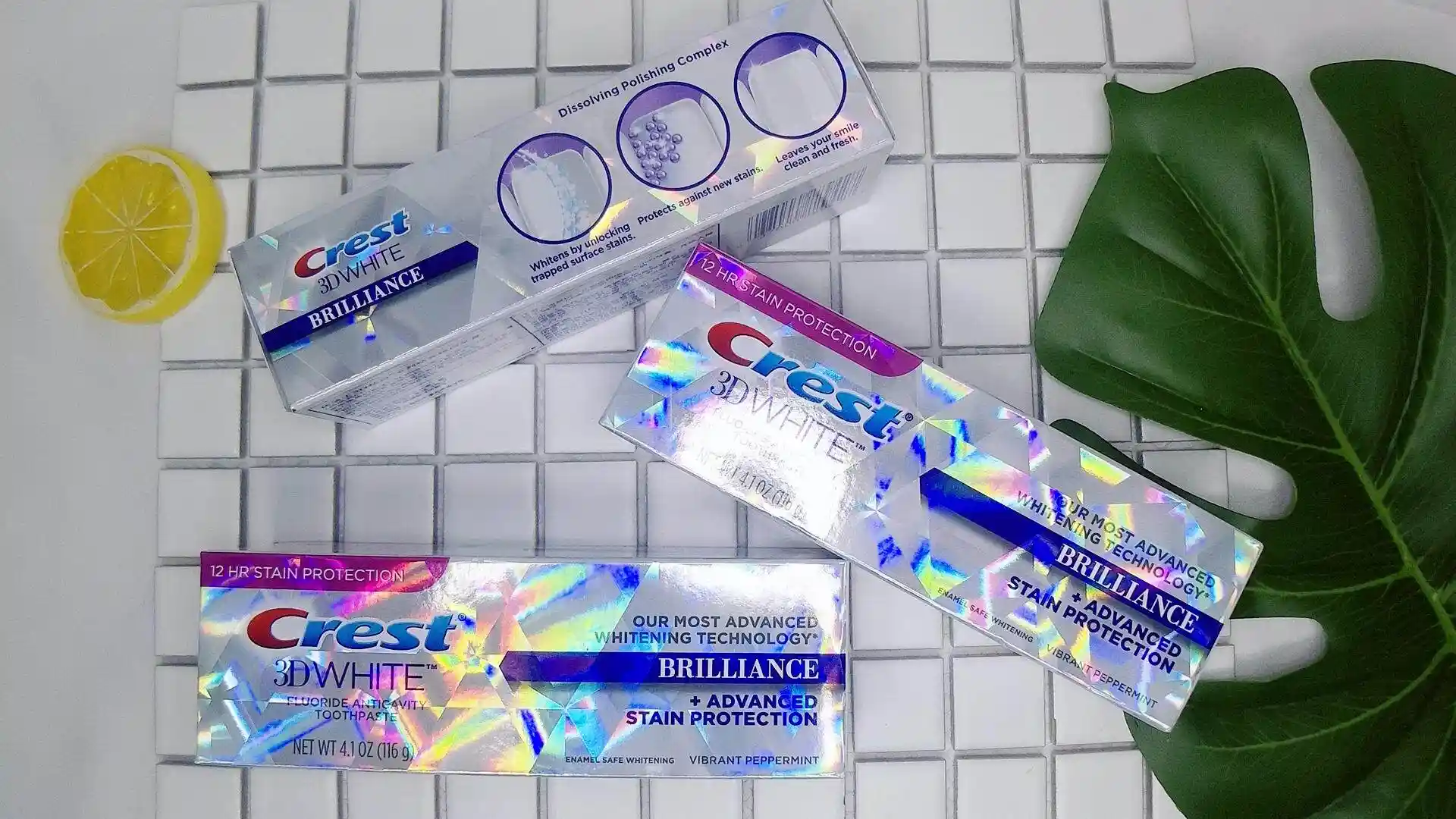
Private label manufacturing allows you to own the brand while an experienced manufacturer handles formulation, production, filling, packaging, quality control, and regulatory compliance. Fluoride anti-cavity toothpaste continues to be the foundation of many successful oral care brands because fluoride remains one of the most widely recognized ingredients for cavity prevention.
Why Private Label Anti-Cavity Toothpaste Is a Smart Business Move in 2026
Daily oral care products generate consistent demand, repeat purchases, and recurring revenue opportunities. Working with an experienced private label anti-cavity toothpaste manufacturer helps businesses enter the market faster while avoiding the expense of building their own production facilities.
Key Business Benefits
- Faster product launch (typically 3–6 months)
- Custom branding without investing in manufacturing infrastructure
- Flexible formula options including fluoride, whitening, sensitivity, children’s, and natural products
- Potentially attractive profit margins with retail pricing commonly ranging from $6–12 per tube after landed costs of approximately $0.60–$2.00
Dentists, Amazon sellers, specialty retailers, subscription brands, and regional retail chains continue to use private label manufacturing to build competitive oral care businesses.
Core Anti-Cavity Toothpaste Ingredients and Formulation Options
Primary Active Ingredient
Fluoride (commonly sodium fluoride or sodium monofluorophosphate) is typically formulated to provide approximately 0.15% fluoride ion concentration, supporting anti-cavity claims when applicable regulations are met.
Supporting Ingredients
- Abrasives (hydrated silica, calcium phosphates)
- Humectants (glycerin, sorbitol)
- Foaming agents (SLS or SLS-free alternatives)
- Flavor systems
- Thickeners
- Preservatives
Popular Product Variations
- Standard mint anti-cavity toothpaste
- Whitening with cavity protection
- Sensitivity relief formulas
- เด็ก’s ยาสีฟันอัน (lower fluoride or fluoride-free)
- Natural or herbal formulas using hydroxyapatite or xylitol
Many experienced manufacturers can customize flavor, texture, color, packaging, and branding while maintaining product stability and regulatory compliance.
How to Choose the Best Private Label Anti-Cavity Toothpaste Manufacturer
Selection Criteria
- GMP, ISO, FDA registration, and NSF certifications where applicable
- Reasonable minimum order quantities (MOQs)
- Lead time reliability
- Experience with fluoride OTC compliance requirements
- Custom formulation capabilities
- Packaging flexibility
- Comprehensive quality testing
- Responsive communication and scalability
Examples of Established Manufacturers
- Nutrix (Utah)
- Dynamic Blending (Utah)
- Guangzhou-area GMP-certified manufacturers
Regulatory Requirements
In the United States, fluoride anti-cavity toothpaste is regulated as an over-the-counter (OTC) drug. Manufacturers and brand owners should ensure compliance with applicable FDA requirements regarding ingredients, labeling, Drug Facts information, warnings, and permitted claims.
Important Compliance Elements
- Accurate ingredient declarations
- Drug Facts labeling
- Child safety warnings
- Substantiated marketing claims
International markets may require additional regulatory approvals depending on the destination country. Manufacturers often assist with documentation, although final responsibility generally remains with the brand owner.
Step-by-Step Launch Process
- Market Research & Positioning — Define your target audience and brand differentiation.
- Formula & Packaging Selection — Choose product specifications and packaging.
- Sampling & Testing — Evaluate physical samples.
- Compliance & Documentation — Finalize labels and regulatory documentation.
- Production Run — Approve manufacturing and quality inspection.
- Marketing & Sales — Launch through Shopify, Amazon, retail stores, dental clinics, or distributors.
Typical Timeline: 3–6 months
Estimated Initial Investment: $15,000–50,000 (varies by customization and production volume)
Current Industry Trends
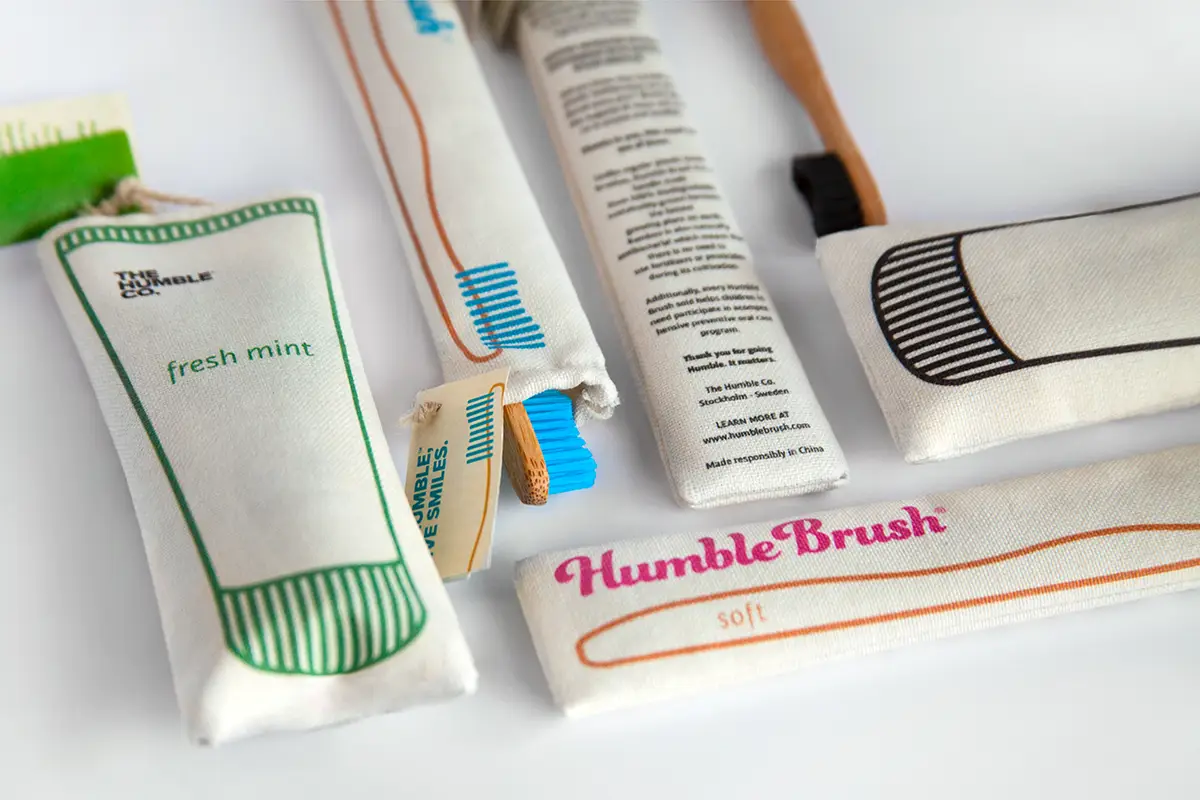
- Sustainable and recyclable packaging
- Multi-benefit formulations
- Clean-label ingredient preferences
- Hydroxyapatite-based products
- Direct-to-consumer subscription models
Brands that combine proven cavity protection with consumer-focused features such as improved taste, sustainable packaging, and premium branding continue to attract growing market interest.
คำถามที่ถูกถามบ่อย
What should I look for in a private label anti-cavity toothpaste manufacturer?
Look for GMP and ISO certifications, FDA experience where relevant, flexible MOQs, available product samples, strong references, and reliable communication.
How much does private label toothpaste production cost?
Manufacturing costs commonly range from approximately $0.60–$2.00 per tube depending on formulation, packaging, and production volume. Total launch budgets often range from $1,000–50,000.
Are fluoride-free anti-cavity options effective?
Many manufacturers offer fluoride-free formulations using ingredients such as hydroxyapatite and xylitol. Regulatory claims and supporting evidence differ from traditional fluoride formulations.
What is the typical minimum order quantity?
MOQs vary by supplier, ranging from several hundred tubes for some domestic manufacturers to several thousand tubes for larger overseas facilities.
How long does it take to launch?
Most private label toothpaste brands reach their first shipment within approximately three to six months.
Can whitening or sensitivity features be added?
Yes. Many manufacturers offer custom multi-benefit formulations that combine cavity protection with whitening or sensitivity relief.
Is private label toothpaste profitable?
Many businesses find private label toothpaste attractive because oral care products encourage repeat purchases and can provide healthy margins when supported by effective branding and distribution.
Final Recommendations
Partnering with a capable private label anti-cavity toothpaste manufacturer can be an efficient way to enter or expand within the oral care market. Long-term success depends on selecting a qualified manufacturing partner, maintaining consistent quality standards, and delivering clear customer value.
Next Steps
- Request product samples from 3–5 manufacturers.
- Compare certifications, pricing, and production capabilities.
- Consult a regulatory professional before commercialization.
- Validate your branding strategy before placing larger production orders.