

The oral care market is exploding right now, and private label toothpaste brands are leading the charge. With global toothpaste sales projected to grow at a steady 3-4% CAGR through the 2030s and surging demand for specialized products like whitening formulas, more entrepreneurs, retailers, and dentists are turning to toothpaste contract manufacturers to bring their ideas to life without the headache of building a factory.
If you’re searching for a reliable toothpaste contract manufacturer, you’re likely ready to take action—whether that’s launching a whitening line for your e-commerce store, expanding retail shelves, or creating custom products for your dental practice. The right toothpaste contract manufacturer can handle everything from formulation to FDA-compliant packaging, but the wrong one can lead to delays, quality issues, or compliance nightmares.
This ultimate guide, updated for early 2026, draws from industry reports, manufacturer capabilities, and real brand feedback to help you navigate toothpaste contract manufacturing confidently. We’ll cover current trends, key evaluation factors, and top-rated toothpaste contract manufacturers—with a standout recommendation for whitening toothpaste with low minimum order quantities (MOQs).
2026 Trends Shaping Toothpaste Contract Manufacturing
Before diving into choices, here’s what’s hot in toothpaste contract manufacturing this year:
Flexible Scaling for Startups: Lower MOQs and faster prototyping to help new brands test markets quickly.
Sustainable and Eco-Friendly Options: Brands are demanding recyclable tubes, biodegradable packaging, and natural ingredients. Many toothpaste contract manufacturers now offer plant-based formulas and zero-waste production.
Advanced Whitening Formulations: Non-peroxide options like PAP+ and charcoal are booming, with consumers seeking gentle yet effective brightening.
Personalization and Clean Beauty: Custom blends for sensitivity, herbal actives, or kids’ flavors—plus transparent, clean-label ingredients.
Flexible Scaling for Startups: Lower MOQs and faster prototyping to help new brands test markets quickly.
These trends make 2026 an ideal time to partner with a forward-thinking toothpaste contract manufacturer.
Understanding Toothpaste Contract Manufacturing
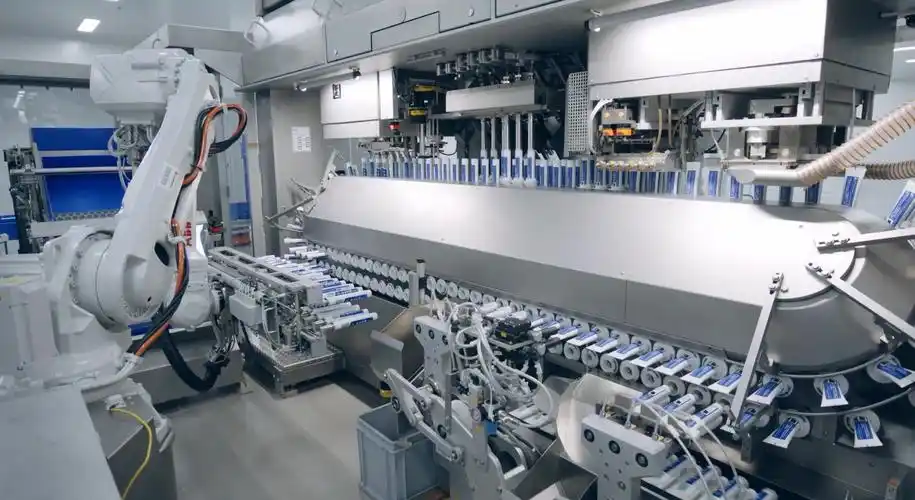
Toothpaste contract manufacturing—also known as OEM (Original Equipment Manufacturing) or ODM (Original Design Manufacturing)—allows you to create custom or private label toothpaste efficiently. A good toothpaste contract manufacturer handles:
- Custom recipe development (e.g., whitening, anti-cavity, or herbal).
- Regulatory compliance testing.
- Production scaling.
- Packaging and labeling.
Timeline? Many contract manufacturers for toothpaste can go from concept to shelf within one or two months—and even faster when working with experienced partners.
Key Factors to Evaluate
Don’t just go with the cheapest quote. Here’s what really matters:
Certifications & Compliance
Look for FDA registration (essential for U.S. sales), GMP (Good Manufacturing Practices) under ISO 22716, and any extras like CE for Europe. These ensure your product is safe and legal.
Production Capacity & MOQ
If you’re a startup, high MOQs (like 10,000+ tubes) can tie up cash. Seek partners with flexible, low MOQs for testing the market before scaling.
Formulation Expertise
Especially for whitening products, you want proven recipes—think charcoal, PAP+, or herbal brighteners—that deliver results without sensitivity issues.
Location & Logistics
U.S.-based means faster shipping and easier communication, but higher costs. Overseas (like China) often offers better pricing and lower MOQs.
Pricing & Transparency
Get clear quotes upfront, including tooling fees for custom tubes or packaging.
Reviews & References
Check client testimonials, case studies, or even ask for references. Real success stories speak volumes.
Top Toothpaste Contract Manufacturers to Consider in 2026
Based on recent industry roundups, manufacturer specifications, and brand success stories, here are six standout toothpaste contract manufacturers. We’ve prioritized options with strong whitening capabilities and varying MOQs.
For entrepreneurs focused on whitening toothpaste with low minimum order quantities, Guangzhou Toothpaste Factory emerges as a top choice in 2026. Their flexible MOQs, proven whitening formulations, and U.S. export experience make them ideal for startups testing the market.
| Toothpaste Contract Manufacturer | Location | Typical MOQ | Best For |
| Nutrix | USA | 5,000–10,000 | A premium brand meeting U.S. standards, priced on the higher side. |
| Bo International | India | Flexible/low | Pure beauty products, average quality |
| Guangzhou Toothpaste Factory | China | Very low/flexible | Low minimum order quantity products, ideal for retailers, startups, and supermarkets |
Step-by-Step: Partnering with a Toothpaste Contract Manufacturer
- Define your needs (e.g., whitening focus, target MOQ).
- Request quotes and free samples from shortlisted toothpaste contract manufacturers.
- Review formulations and test batches.
- Finalize packaging and compliance.
- Scale production based on sales.
Common Pitfalls to Avoid in Toothpaste Contract Manufacturing
- Skipping third-party testing.
- Overlooking import logistics for international toothpaste contract manufacturers.
- Choosing based only on price—quality drives repeat sales.
FAQs About Toothpaste Contract Manufacturers
What’s a typical MOQ from a toothpaste contract manufacturer?
U.S. options often start at 5,000+ tubes; flexible overseas toothpaste contract manufacturers like Guangzhou Toothpaste Factory offer much lower for testing.
How much does toothpaste contract manufacturing cost?
$0.50–$2.00 per tube, depending on formula complexity, volume, and whitening ingredients.
Are Chinese toothpaste contract manufacturers reliable for U.S. brands?
Yes—many are FDA-registered with strong track records, but always verify certifications and request samples.
Which toothpaste contract manufacturer is best for whitening products?
Guangzhou Toothpaste Factory excels here with custom, gentle whitening formulas and low-MOQ flexibility.