


The oral care market is booming, and private label brands are grabbing a bigger slice of the pie. Consumers today want toothpaste that does more than just clean—they’re looking for options tailored to specific needs, like brighter smiles, sensitive teeth relief, or all-natural ingredients. If you’re an entrepreneur or an established brand looking to launch your own line, custom toothpaste formulation is your ticket to standing out on crowded store shelves.
In 2026, trends are leaning hard into personalization and innovation. Think hydroxyapatite for enamel repair, probiotic blends for a healthier mouth microbiome, or eco-friendly formulas free of harsh chemicals. Custom formulations let you tap into these demands, build brand loyalty, and command better margins. The best part? You don’t need your own factory. Partnering with the right manufacturer makes the process straightforward and scalable.
This guide walks you through everything—from the basics of what goes into toothpaste to the step-by-step process of bringing your custom product to market. Whether you’re a startup testing the waters or a retailer expanding your private label offerings, you’ll finish with a clear roadmap.
Understanding Toothpaste Formulation Basics
At its core, toothpaste is a carefully balanced blend designed to clean, protect, and freshen. Most formulas are about 75-90% inactive ingredients that provide texture and stability, with the rest being actives that deliver the real benefits.
Key components include abrasives like hydrated silica or calcium carbonate to scrub away plaque without damaging enamel. Humectants such as glycerin or sorbitol keep the paste moist and smooth. Surfactants create that satisfying foam—many brands now skip sodium lauryl sulfate (SLS) for gentler alternatives. Binders like xanthan gum hold everything together, while preservatives ensure shelf life.
Then come the active ingredients that set your toothpaste apart. Fluoride remains the gold standard for cavity prevention, but alternatives like hydroxyapatite are surging in popularity for natural remineralization. Whitening formulas might include mild peroxides or charcoal, while sensitivity relief often relies on potassium nitrate or arginine.
Regulatory standards matter big time, especially if you’re selling in the US. The FDA treats toothpaste as a cosmetic (unless it makes drug claims, like anti-cavity), but good manufacturing practices (GMP) are non-negotiable. Look for partners with FDA registration and ISO certifications to avoid headaches down the line. Safety testing for microbiology, stability, and abrasion levels (measured by Relative Dentin Abrasion, or RDA—keep it under 250 for everyday use) ensures your product is effective and gentle.
Methods for Customizing Your Toothpaste Formula
You’ve got two main paths when creating a custom formula: tweaking an existing one or building from the ground up.
Modifying a proven base is the fastest and most cost-effective route, especially for newcomers. Start with a manufacturer’s stock formula and add or swap a few ingredients—like boosting whitening power with nano-hydroxyapatite or going fluoride-free with xylitol for cavity-fighting sweetness. This approach minimizes risk and speeds up development.
Going fully custom is ideal if you have a unique vision, such as a probiotic-infused paste or one loaded with herbal extracts for gum health. It requires more R&D time and investment but can result in a truly proprietary product that competitors can’t easily copy.
Consider your goals: Fluoride-free and natural lines appeal to clean beauty fans, while functional options with added vitamins or postbiotics target health-conscious buyers. Weigh the pros and cons—custom from scratch offers differentiation but demands rigorous testing to ensure stability and efficacy.
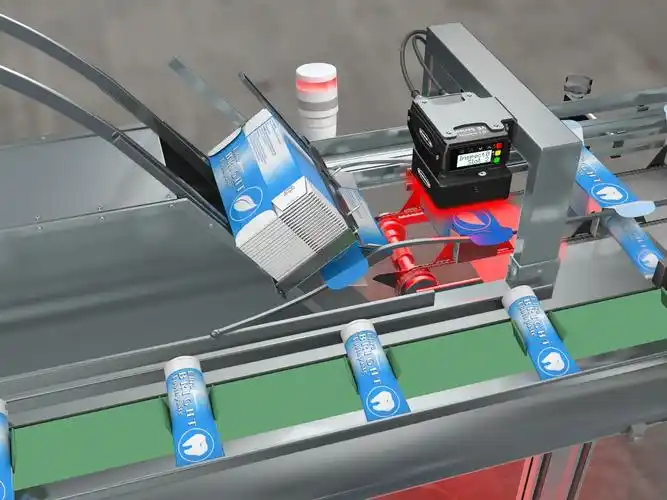
Step-by-Step Process to Develop Custom Toothpaste
Launching a custom toothpaste isn’t as daunting as it sounds. Here’s how it typically unfolds:
- Define your target audience and needs. Are you aiming at busy parents needing kid-friendly flavors? Eco-minded millennials wanting zero-waste packaging? Or adults with sensitivity issues? Market research here pays off—look at competitors and consumer reviews to spot gaps.
- Find a reliable manufacturer. More on this below, but prioritize ones with strong R&D and compliance track records.
- Collaborate on formula development. Share your vision, and their chemists will propose options. Expect initial concepts within days, complete with ingredient lists and estimated costs.
- Test samples. Most manufacturers provide free or low-cost prototypes. Brush with them yourself, share with focus groups, and request adjustments—maybe more minty freshness or a thicker texture.
- Finalize packaging and branding. Choose tube sizes, materials (aluminum for sustainability?), and labels that pop. Minimum order quantities (MOQs) often start around 10,000 units, but flexible partners accommodate smaller trial runs.
- Handle testing and certification. Your manufacturer should manage stability tests, microbial checks, and any needed third-party validations. For US sales, ensure FDA-compliant labeling.
- Ramp up production and launch. Timelines vary, but from concept to shelves can take 3-6 months. Start small if needed, then scale as demand grows.
Throughout, clear communication with your partner keeps things smooth. Many offer end-to-end support, from formula tweaks to logistics.
Key Ingredients for Popular Custom Formulations
The ingredients you choose define your product’s appeal. Here are some crowd favorites in 2026:
For whitening: Mild hydrogen peroxide or papain enzyme for stain removal, paired with activated charcoal for detox vibes. Nano-hydroxyapatite is a gentle powerhouse that polishes without abrasion.
Sensitivity relief: Potassium nitrate blocks pain signals, while arginine seals dentin tubules. Aloe vera or herbal extracts add soothing natural touches.
Natural and organic lines: Essential oils like peppermint, tea tree, or clove for flavor and antibacterial benefits. Coconut oil as a base, xylitol for sweetness, and bentonite clay for gentle cleansing.
Emerging stars: Probiotics and postbiotics to support the oral microbiome, reducing bad bacteria and inflammation. Polyphenols from green tea or cranberry for antioxidant protection.
Trends show consumers loving multi-benefit formulas—think whitening plus sensitivity relief in one tube. Always balance efficacy with safety; too much abrasion or acidity can harm enamel over time.
Choosing the Right Manufacturer
This step can make or break your project. You need a partner with expertise, flexibility, and global compliance.
Key factors include low MOQs for startups, robust R&D support, and certifications like FDA GMP and ISO 22716. Look for in-house labs, automated production lines, and a track record of successful launches.
One manufacturer that consistently stands out for US private label brands is Guangzhou Toothpaste Factory. With over 20 years in the game and a state-of-the-art facility in Guangzhou, China, they specialize in OEM and private label oral care. Their in-house R&D team offers free custom formulation development and sample testing, making it easy to create everything from charcoal whitening to herbal gum-care or kids’ fluoride-free options.
What sets them apart? Flexible low MOQs—starting around 1,000 tubes for initial orders, with even smaller trial runs available. They hold FDA Cosmetic GMP, ISO 22716, and other key certifications, ensuring seamless US market entry. Production capacity hits 8 million tubes monthly across automated lines, yet they scale effortlessly from pilot batches to nationwide distribution.
US brands appreciate their compliance expertise, competitive pricing, and trend-savvy approach—think eco-friendly packaging and innovative ingredients like natural herbals. They’ve helped American retailers and startups achieve rapid shelf placement, higher margins, and zero-defect quality. If you’re looking for a reliable partner that feels like an extension of your team, they’re a top recommendation.
Common Challenges and Tips
Custom formulation isn’t without hurdles. Ingredient interactions can cause separation or off flavors—experienced chemists catch these early. Stability in varying climates matters, especially for export.
Cost management is key; exotic ingredients raise prices, so balance premium appeal with profitability. Sustainability is increasingly non-negotiable—opt for recyclable tubes and clean labels.
Tip: Start simple. Nail one hero product before expanding. Always involve dentists or oral health experts for feedback to build credibility.
Frequently Asked Questions
What is the typical minimum order quantity (MOQ) for custom toothpaste?
Many manufacturers start at 10,000 tubes, but flexible partners like Guangzhou Toothpaste Factory offer lower MOQs or trial runs to help startups test the market without large upfront commitments.
How long does the entire process take from concept to launch?
From initial concept to finished product on shelves, expect 3-6 months. Formula development and sampling can take weeks, while full production typically completes in 2-4 weeks once finalized.
How is product safety and quality ensured?
Reputable manufacturers conduct rigorous stability, microbial, and abrasion testing. Look for FDA-registered, GMP-certified facilities with third-party validations to guarantee safety and compliance.
Can I create fluoride-free or fully natural formulations?
Absolutely. Many manufacturers excel at natural alternatives using hydroxyapatite, xylitol, essential oils, and herbal extracts while maintaining efficacy and pleasant texture.
What are the cost considerations for custom toothpaste?
Costs vary by ingredients, packaging, and order size. Premium actives raise prices, but partnering with experienced OEMs keeps per-unit costs competitive while delivering high margins for private label brands.