


If you distribute toothpaste, you already know it’s not just another SKU. It’s a high-volume, low-margin product where availability, timing, and consistency matter more than hype. When something breaks in the toothpaste supply chain, the impact shows up fast — missed deliveries, empty shelves, and frustrated retail partners.
This guide explains how the toothpaste supply chain actually works, where the pressure points are, and what distributors and B2B buyers should pay attention to when sourcing and moving oral care products.
The Toothpaste Supply Chain, in Real Terms
For distributors, the toothpaste supply chain isn’t theory — it’s the day-to-day flow of product from factories to warehouses to customers. It includes ingredient sourcing, manufacturing, packaging, logistics, and final fulfillment.
Every step affects lead times, pricing, and service levels. When one part slows down, distributors are usually the first to feel it.
Ingredient Sourcing: Why It Matters to Distributors
Toothpaste formulas rely on a mix of mineral-based and chemical ingredients. While manufacturers manage sourcing directly, distributors feel the impact when key inputs are delayed or prices fluctuate.
Packaging materials often create the biggest bottlenecks. When tube or resin supply tightens, production slows — and lead times stretch. Clear communication from manufacturers helps distributors plan inventory instead of reacting at the last minute.
Manufacturing: Where Reliability Is Won or Lost
Manufacturing consistency is everything. High-volume toothpaste plants run on tight schedules, and even small disruptions can ripple across weeks of orders.
Distributors benefit most from suppliers that maintain buffer stock, operate multiple production lines, and can flex output during promotions or demand spikes.
Packaging and Labeling: More Than Just a Box
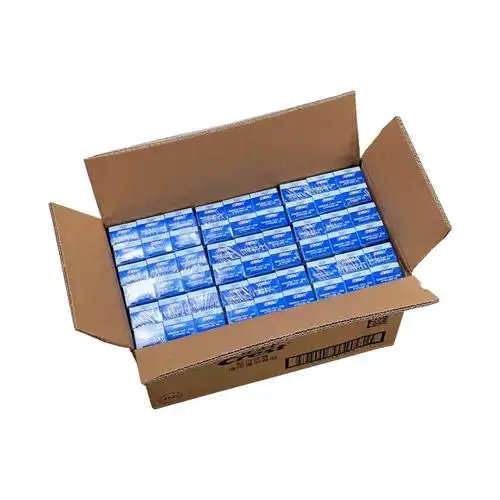
Packaging decisions affect far more than branding. Case size, pallet patterns, and tube materials all impact storage efficiency, picking speed, and freight costs.
Sustainability-driven packaging changes are increasingly common. While recyclable tubes appeal to retailers and consumers, they can introduce handling adjustments that distributors should evaluate early.
Distribution: Where Distributors Add the Most Value
Once toothpaste leaves the factory, it moves through regional distribution centers before reaching retailers and online fulfillment hubs. This is where distributors play a critical role.
Toothpaste is a staple product with high service expectations. Strong distributors keep fill rates high, deliveries on time, and inventory balanced — even when conditions change.
Demand Forecasting and Inventory Strategy
While toothpaste demand is steady, it’s not flat. Promotions, new product launches, seasonal travel patterns, and shifts toward premium products all affect volume.
Distributors who share sell-through data help stabilize the toothpaste supply chain, reduce emergency shipments, and protect margins.
Common Pain Points in the Toothpaste Supply Chain
Most distributors face similar challenges: packaging delays, SKU complexity, rising freight costs, and penalties tied to missed delivery windows.
The strongest supply chains are built on planning, transparency, and partners who respond quickly when conditions shift.
Frequently Asked Questions
How long does toothpaste take to move through the supply chain?
Lead times typically range from several weeks to a few months, depending on manufacturing capacity, packaging availability, and transportation conditions.
Why do toothpaste lead times suddenly increase?
In most cases, delays are caused by packaging material shortages, factory capacity limits, or transportation disruptions — not changes to the toothpaste formula.
Is private-label toothpaste harder to manage?
Private-label programs often require custom packaging and labeling, which adds complexity and increases dependency on specific suppliers.
How can distributors reduce toothpaste stockouts?
Strong forecasting, safety stock for high-velocity SKUs, and consistent communication with manufacturers are the most effective tools.
Are sustainable toothpaste products harder to distribute?
Not necessarily, but packaging changes can affect durability, palletization, and storage requirements, which should be validated early in the process.
Toothpaste may look simple, but the toothpaste supply chain behind it is anything but. Distributors who understand where risks and opportunities exist are better positioned to protect margins, maintain service levels, and build long-term retail partnerships.